Why This Exists
Contemporary artists increasingly navigate two systems of visibility: algorithms and institutions. One rewards attention; the other rewards access. Both influence what is seen, remembered, and valued.
Hand-Fetish-Projects® was founded as an alternative publishing and exhibition model. Through themed print issues, artists contribute to a shared cultural context that exists beyond the lifespan of feeds, trends, and conventional exhibition cycles.
Each issue is both a publication and a distributed exhibition: a temporary gathering of artists connected by a common signal.
About Hand-Fetish-Projects
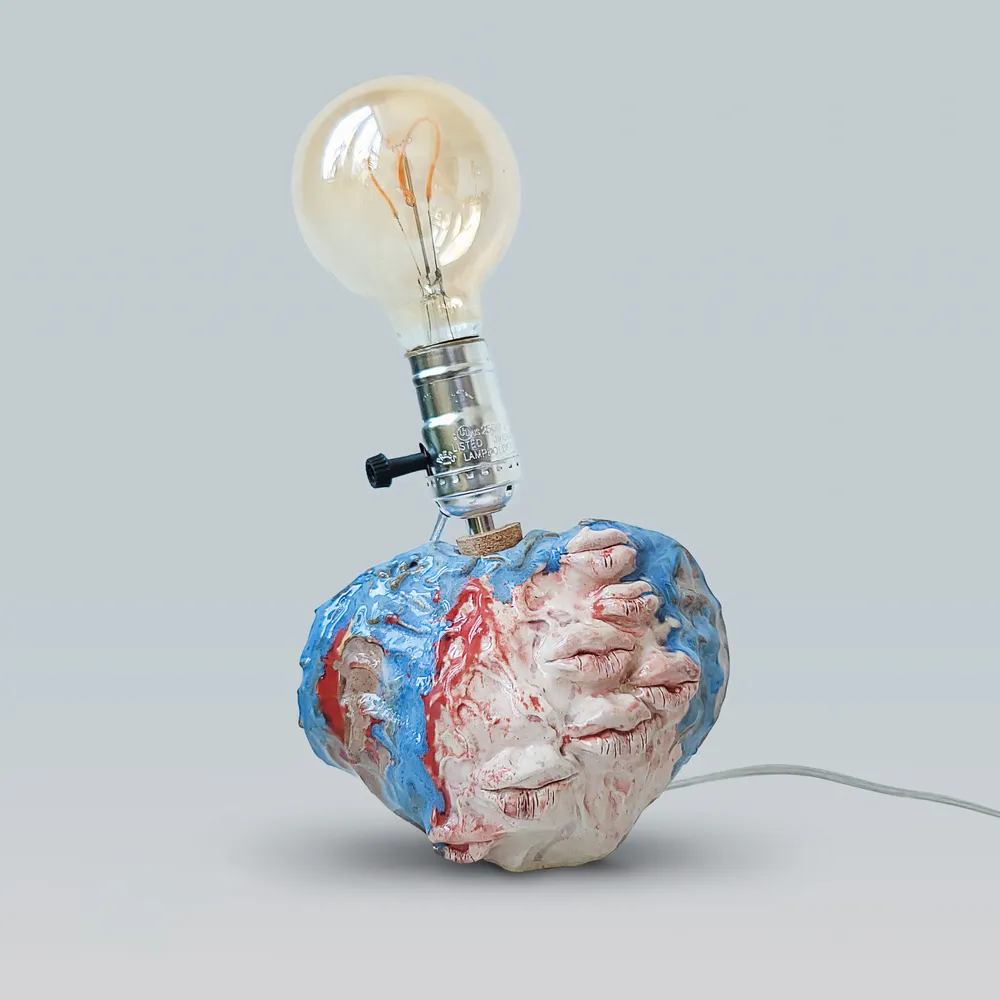
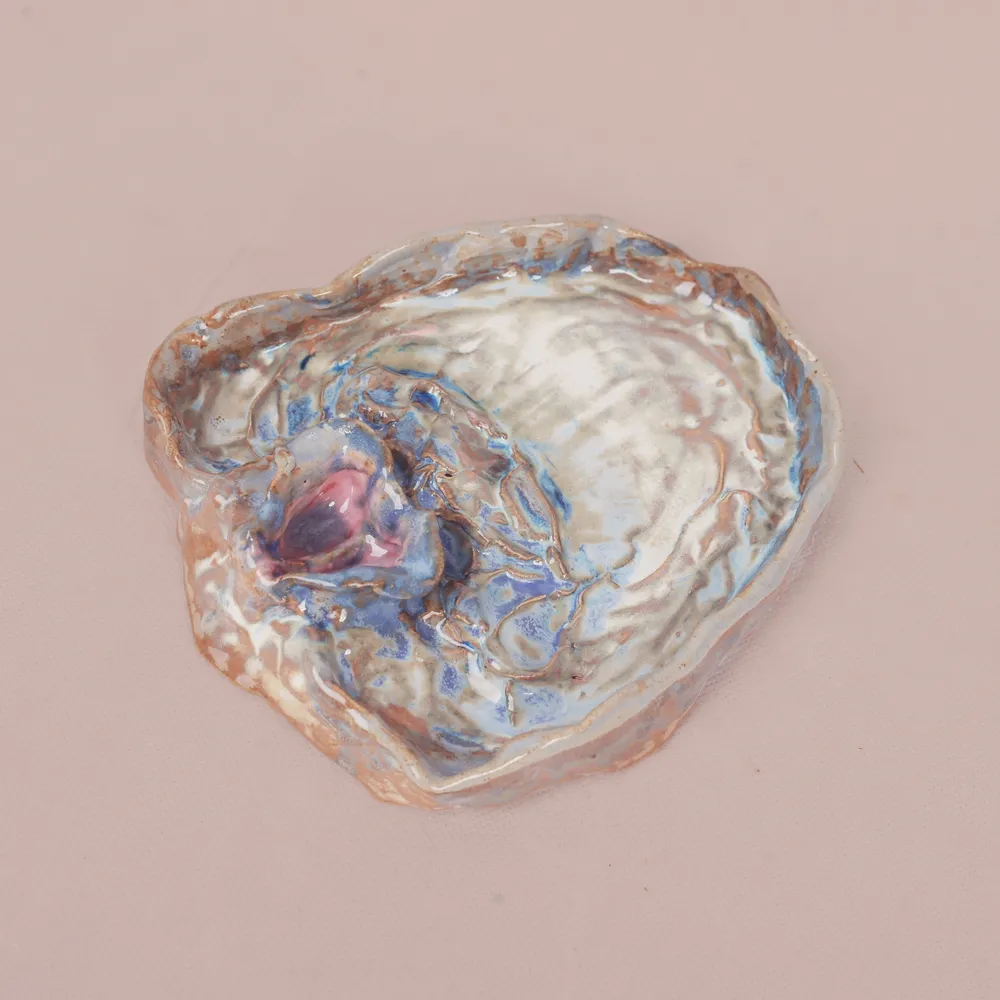
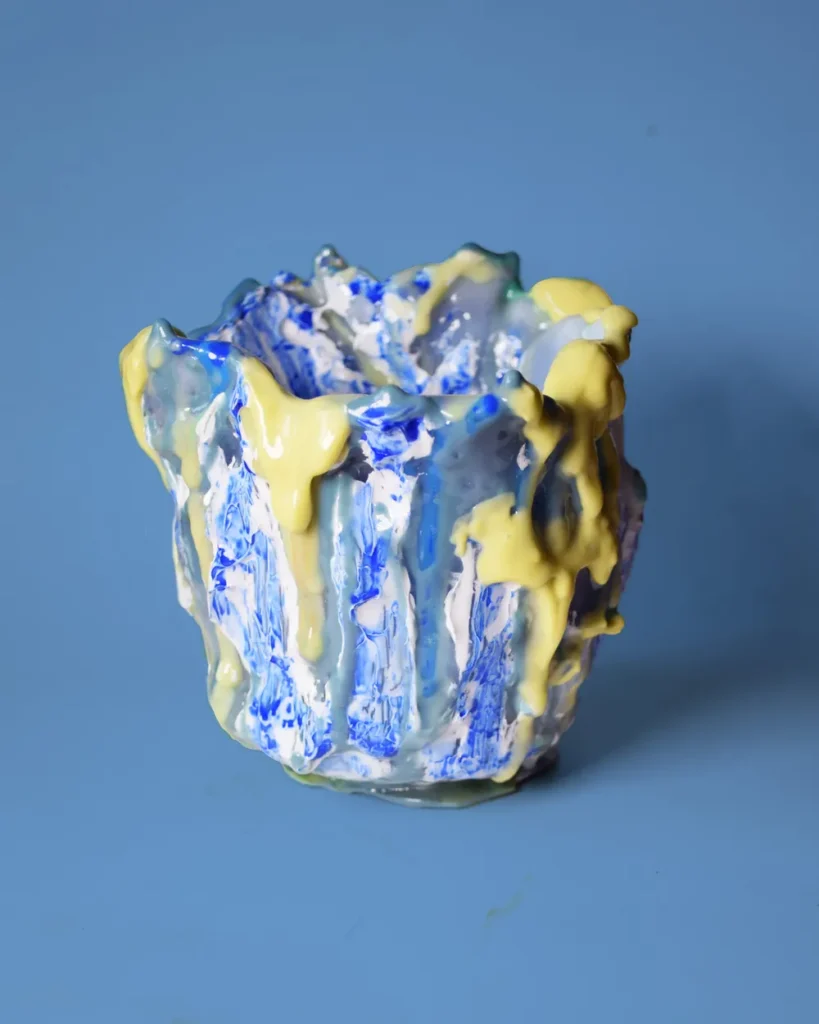
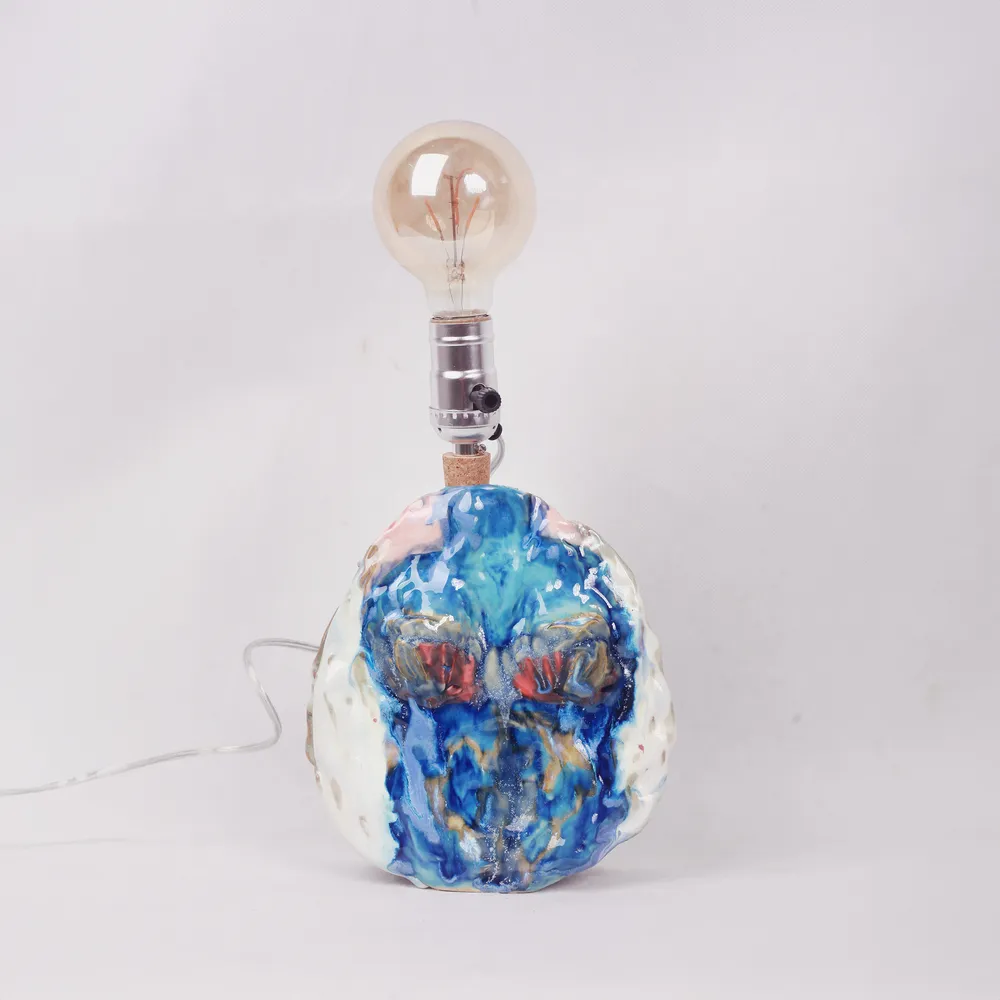
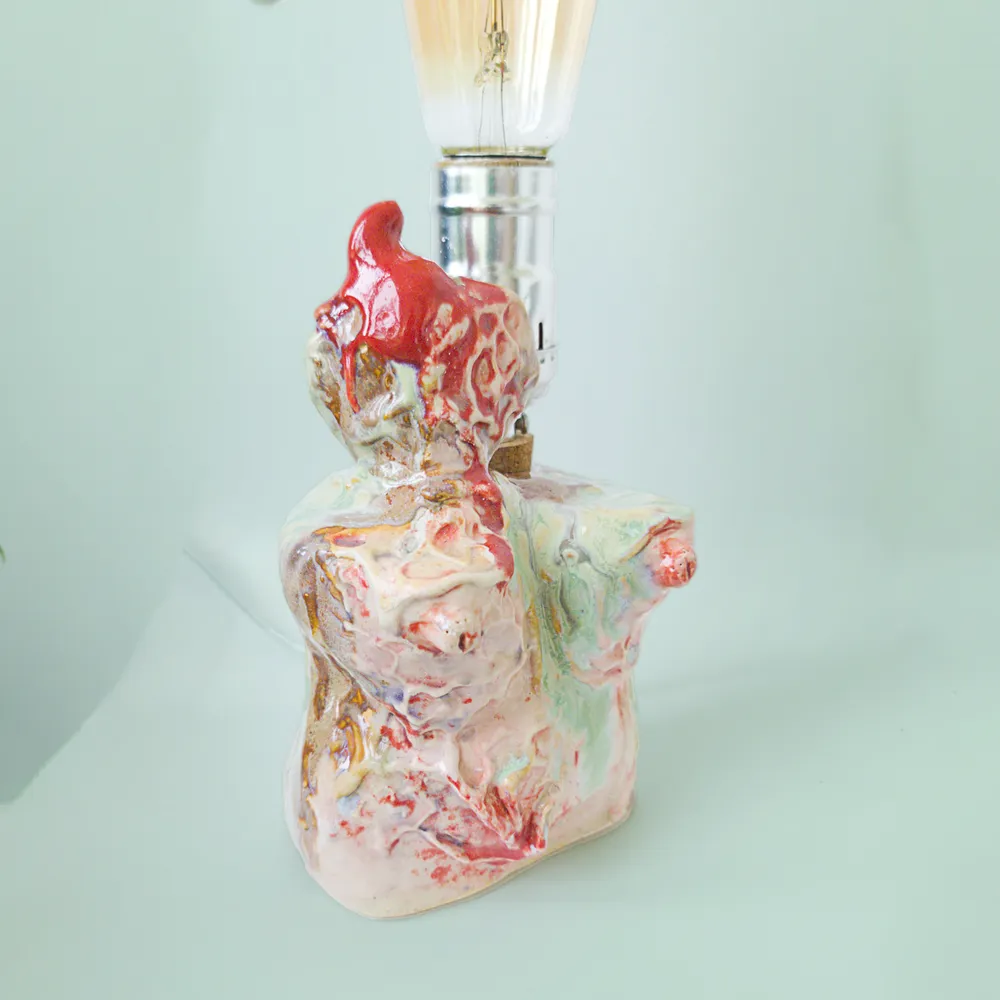
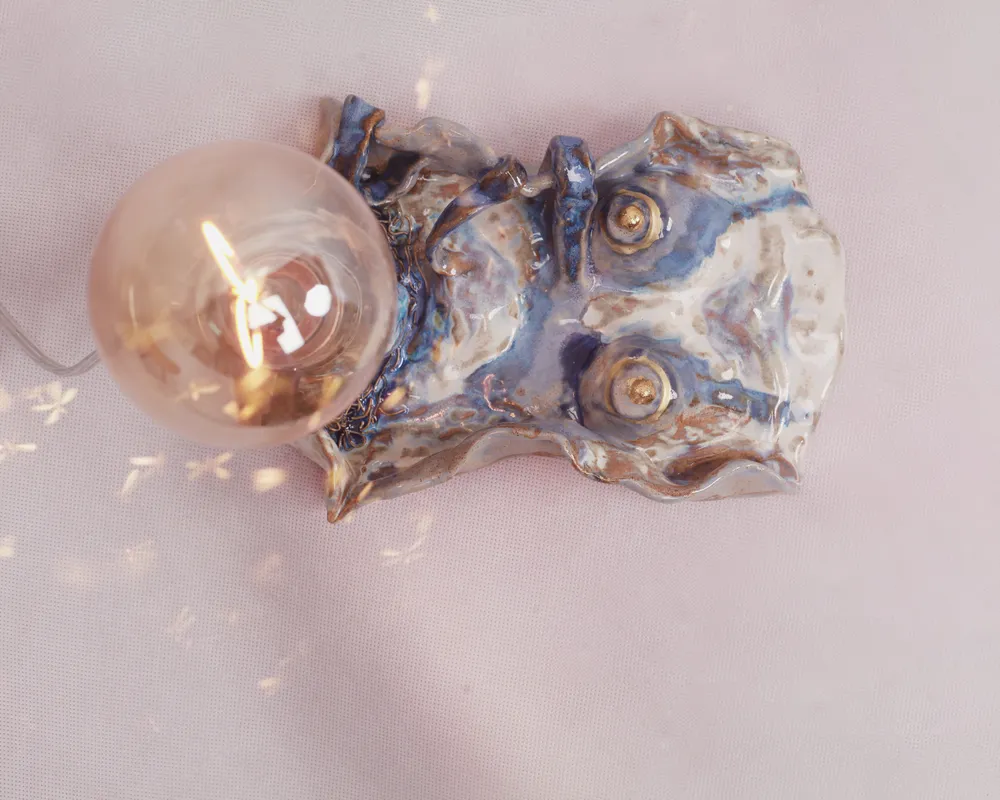
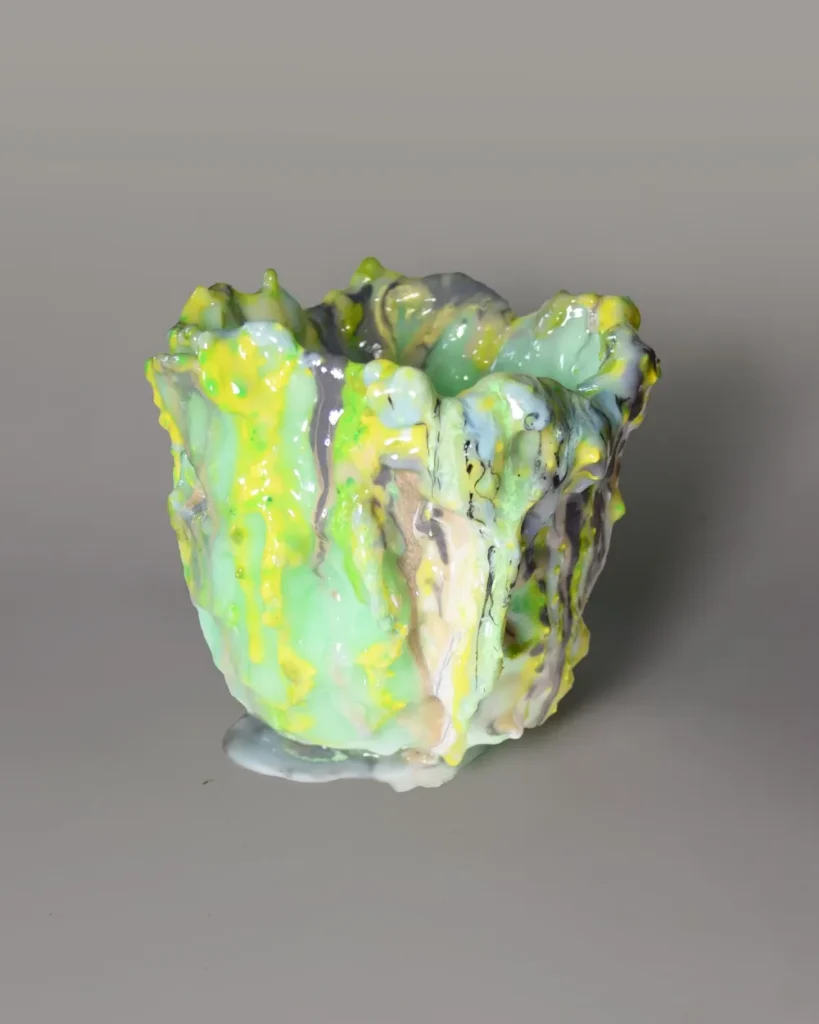
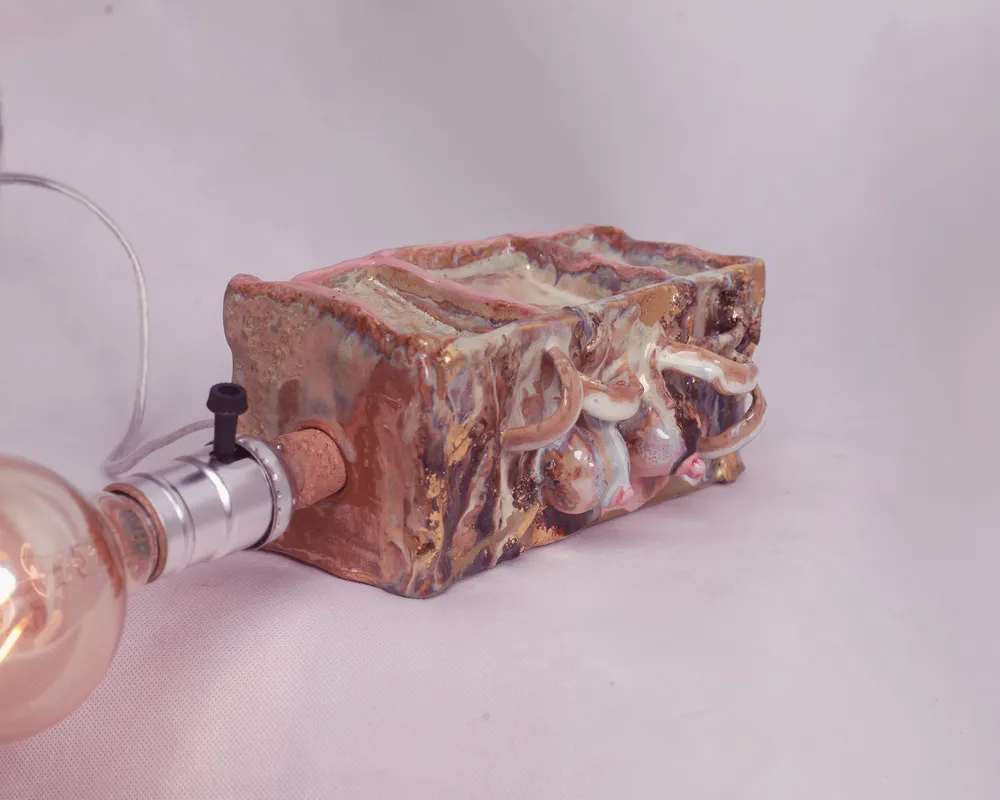
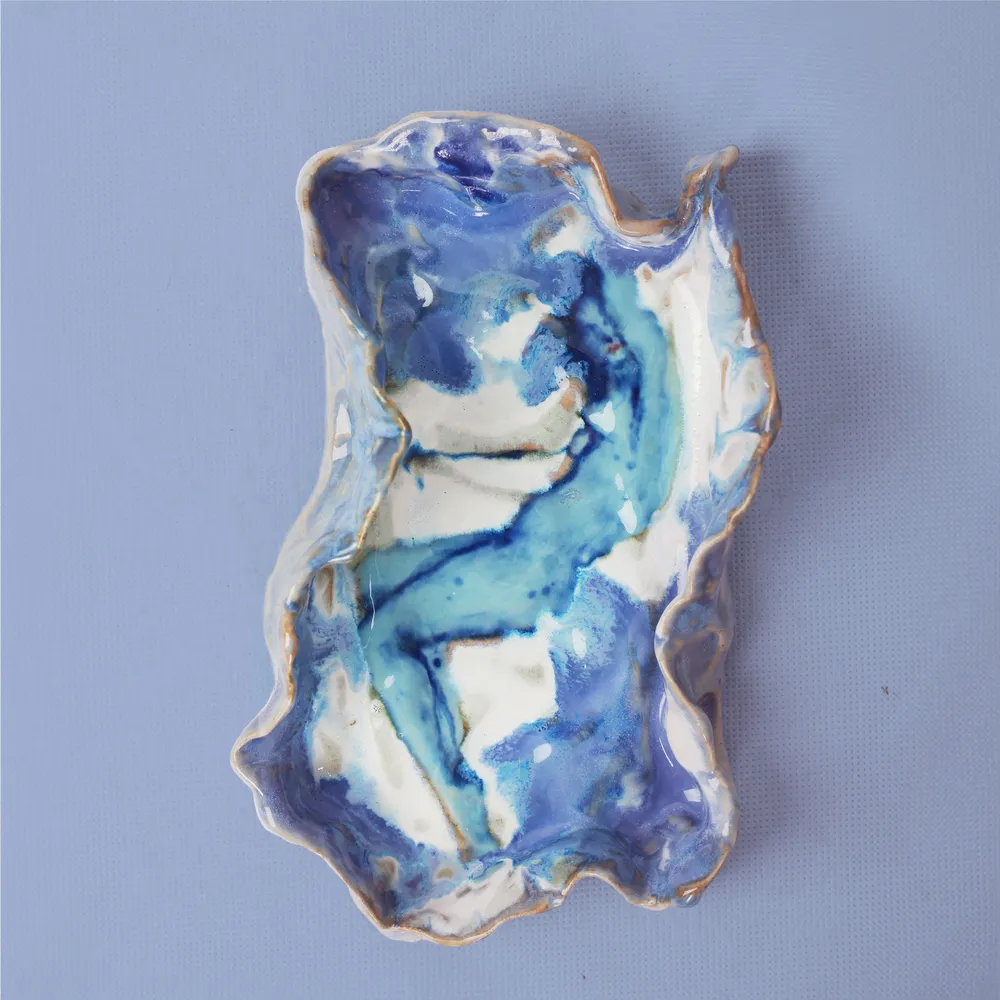
Hand-Fetish-Projects® (HFP) is a post-institutional art infrastructure and publishing platform based in Southeast Asia. Rather than functioning solely as a gallery, publisher, or marketplace, HFP operates as a curatorial system that transforms artistic practices into exhibitions, publications, circulation channels, and commercial extensions.
Built in response to the structural limitations faced by many independent and emerging artists, HFP seeks to expand how contemporary art can be presented, distributed, and sustained beyond traditional institutional pathways. While rooted in Southeast Asia, the platform is designed to operate across borders, connecting regional artistic practices with broader audiences and international networks.
At the core of HFP is a simple premise: artistic practices should not be limited by geography, physical infrastructure, or the original format in which they were created. A project may begin as a sculpture, installation, performance, research archive, or conceptual proposal, yet continue to exist through exhibitions, editorial publications, curated circulation, and selected commercial adaptations. Rather than focusing solely on the movement of objects, HFP focuses on the movement of ideas, practices, and cultural value.
By combining curatorial direction, editorial production, circulation, and commercial experimentation within a single framework, HFP provides independent artists with new pathways for visibility, documentation, collaboration, and sustainable forms of engagement with contemporary audiences.
What We Do
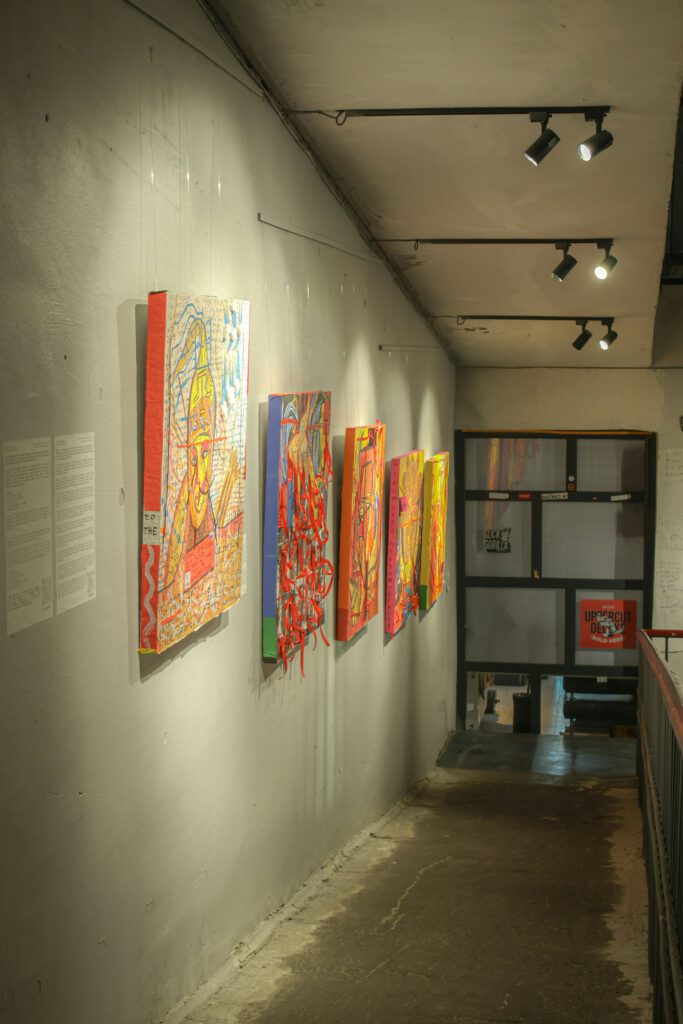
Curated Group Exhibitions
HFP develops thematic group exhibitions that bring together artists working around shared concepts, cultural questions, and contemporary concerns. Unlike conventional exhibition models that depend heavily on the physical transportation of artworks, HFP focuses on artistic practices, ideas, and documentation as primary materials for curatorial presentation.
Artists working across installation, sculpture, performance, conceptual art, research-based practices, and other non-traditional formats can participate through documentation, visual archives, texts, and supporting materials. This allows projects to remain rooted in their original context while continuing to engage audiences beyond geographical and material limitations.
Editorial Publishing
HFP produces artist books, art zines, editorial projects, and independent publications as standalone curatorial formats. Through publishing-focused open calls and thematic editorial projects, artists can submit works, research, archives, documentation, and conceptual material that are developed into cohesive publications.
Rather than functioning as exhibition catalogues, these publications operate as independent cultural artifacts in their own right. Publishing provides artists with an alternative pathway to presentation and circulation, allowing artistic practices to remain accessible, discoverable, and collectible beyond the duration of a single exhibition.
Commercial Extensions
HFP recognizes that artistic and commercial value can coexist. Selected projects may be adapted into editions, printed matter, collectible objects, merchandise, or other circulation formats capable of generating additional revenue opportunities for artists.
Rather than treating commercialization as separate from artistic practice, HFP explores sustainable models through which artworks, visual languages, concepts, and cultural production can continue generating value beyond their original form while maintaining their conceptual integrity.
Why Participate

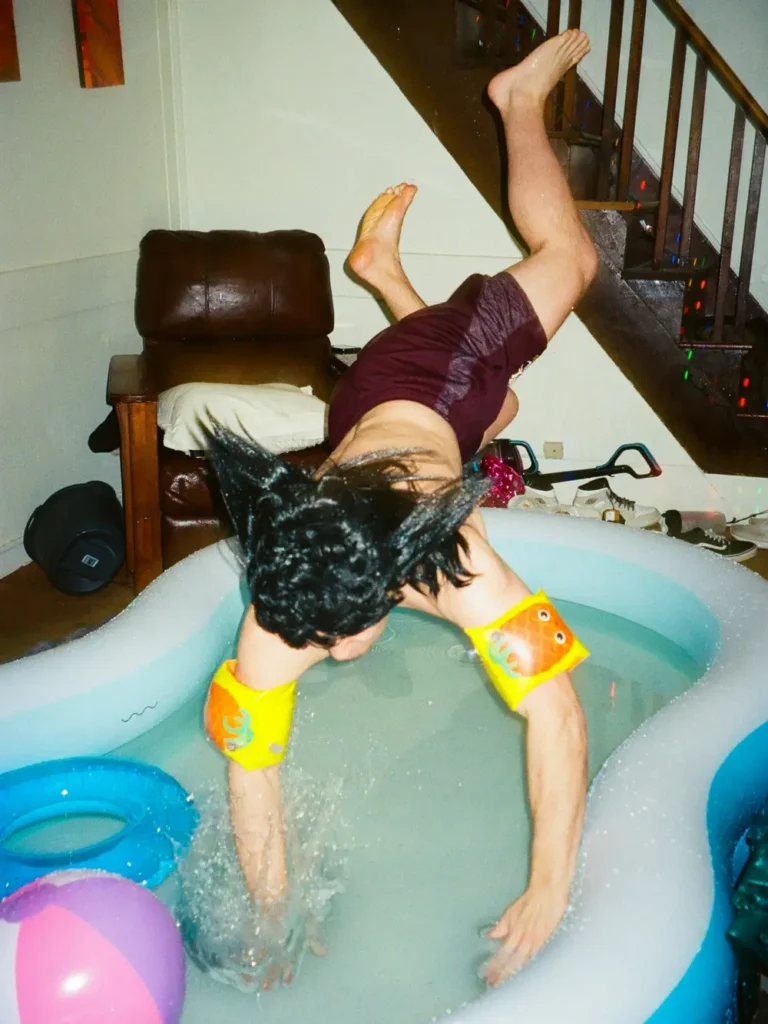
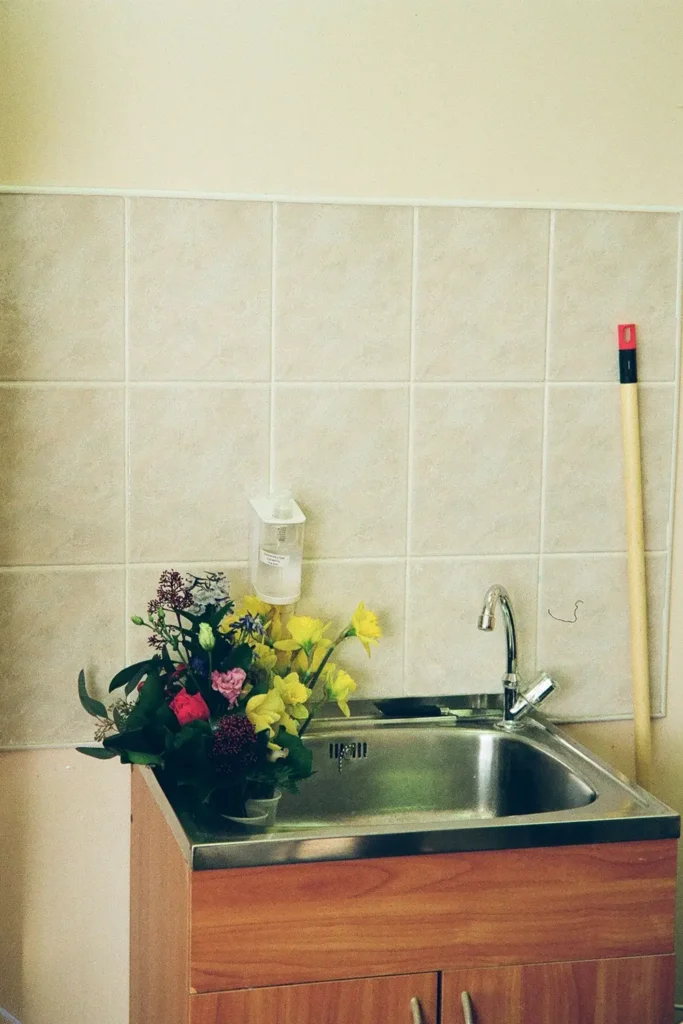
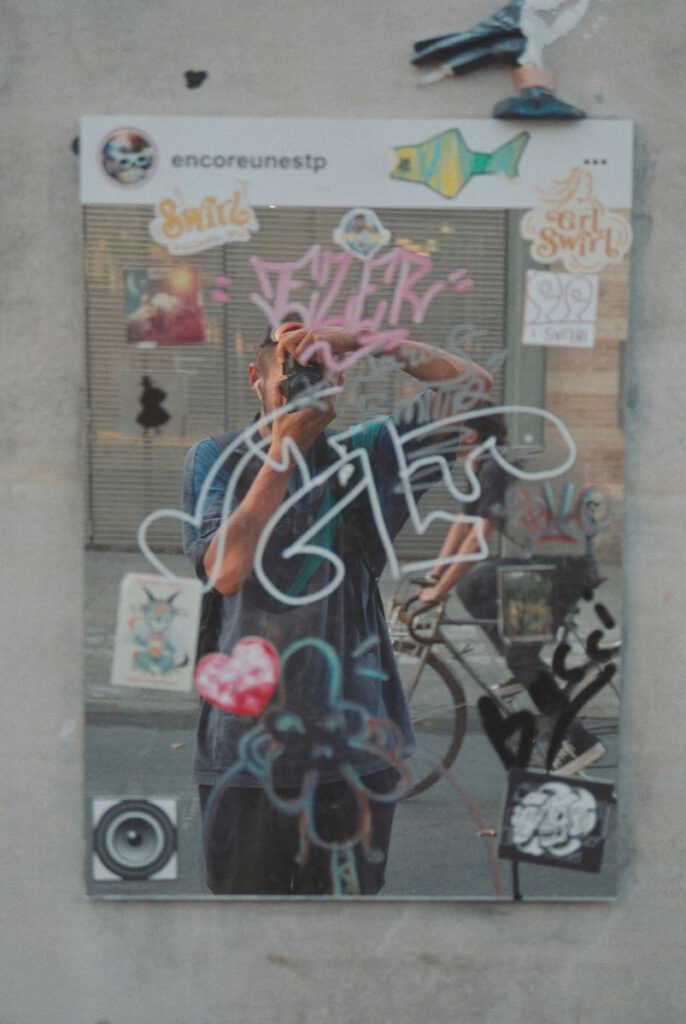
Participation in HFP is not simply inclusion in a publication or a single exhibition. Each issue functions as a distributed exhibition and a collective document of contemporary visual culture, bringing together artists responding to the same theme from different perspectives. By contributing work, artists become part of an ongoing experiment in how art can be published, circulated, and experienced beyond both algorithmic visibility and conventional exhibition structures — an experiment HFP treats as an artistic practice in its own right.